

Denver's legal clinics address growing juvenile drug crime concern with specialized services. Juvenile Drug Crime Attorney Denver navigate legal complexities, advocate for favorable outcomes, and consider underlying circumstances. Strategies include treatment programs, after-school programs, counseling, and job training to reduce recidivism and empower teens to make positive choices. Holistic approaches transform juvenile justice, breaking destructive patterns and guiding young individuals toward a brighter future without criminal records.
Juvenile drug crime is a pressing issue in Denver, with significant implications for young lives and the future of our community. Teenagers, often facing immense peer pressure and lack of guidance, may find themselves entangled in the legal system due to substance abuse issues. This complex problem requires specialized attention, which is where Juvenile Drug Crime Attorney Denver steps in as an indispensable resource. Our article delves into the critical role played by legal clinics dedicated to assisting teens accused of drug-related offenses. We explore how these clinics provide not only legal representation but also essential support services, offering a holistic approach to address the unique challenges faced by young individuals navigating their first encounter with the justice system.
- Understanding Juvenile Drug Crime in Denver
- The Role of Legal Clinics: A Safe Haven for Teens
- How to Navigate the System with a Juvenile Drug Crime Attorney Denver
Understanding Juvenile Drug Crime in Denver

Denver’s legal clinics have been instrumental in addressing a critical issue affecting its youth: juvenile drug crime. Understanding this complex problem requires delving into the unique circumstances that lead young individuals to involve themselves in drug-related offenses. According to recent studies, Denver has seen a rise in arrests for drug possession and distribution among teenagers, often as a result of socio-economic factors and limited access to quality education and recreational activities. This phenomenon has prompted a call for specialized legal assistance tailored to the needs of young offenders.
The consequences of juvenile drug crime are far-reaching and can have lasting impacts on a teen’s future. In Denver, where theft-related incidents are also prevalent, a conviction can lead to a criminal record, impacting their chances of gaining admission to colleges or securing gainful employment. A Juvenile Drug Crime Attorney Denver plays a pivotal role in navigating these legal complexities and advocating for the best possible outcome. These attorneys employ strategies that consider not only the specific drug charge but also the underlying circumstances, aiming to divert young people from the justice system whenever appropriate. For instance, some programs focus on treatment and rehabilitation as an alternative to prosecution, which has shown promising results in reducing recidivism rates.
Moreover, community engagement is a key aspect of addressing juvenile drug crime. Legal clinics often collaborate with local organizations to provide after-school programs, counseling services, and job training, all of which serve to divert at-risk teens from illegal activities. By fostering a supportive environment and offering alternatives, these initiatives aim to break the cycle of crime and empower young individuals to make positive choices. The collaborative efforts between legal professionals, community leaders, and social service providers are transforming the landscape of juvenile justice in Denver, ultimately reducing the number of youth entangled in the criminal justice system due to drug-related offenses.
The Role of Legal Clinics: A Safe Haven for Teens

Legal clinics in Denver play a pivotal role in providing crucial support to teenagers facing juvenile drug crime charges. These specialized facilities offer a safe haven for young people, offering both legal assistance and therapeutic interventions. The impact of these clinics extends beyond simply helping teens avoid harsh sentences; they foster rehabilitation and equip young offenders with the tools to make positive life choices.
Juvenile Drug Crime Attorneys in Denver, along with their support staff, work collaboratively to navigate the complex legal system on behalf of their young clients. They advocate for alternative sentencing options, recognizing that incarceration may not be in a teenager’s best interest. The clinic’s environment encourages open dialogue and builds trust between attorneys and clients, leading to more effective representation. For instance, some clinics employ peer mentors who have successfully recovered from substance abuse, offering relatable guidance to their younger counterparts.
Beyond legal aid, these clinics provide access to mental health professionals, counselors, and social workers. These comprehensive services address the underlying causes of drug involvement, such as trauma or family issues. By treating the root problems, clinics empower teens to break free from destructive patterns. Data suggests that young offenders who receive holistic support are less likely to reoffend, demonstrating the long-term benefits of these specialized legal clinics in Denver.
Attorneys specializing in this field must stay updated on the latest research and best practices for treating adolescent substance abuse. They collaborate with community organizations, schools, and government agencies to ensure a coordinated response to juvenile drug crime. By fostering partnerships and advocating for policy changes, Denver’s legal clinics contribute significantly to reducing recidivism rates and creating a brighter future for at-risk teens, potentially preventing them from becoming long-term offenders.
How to Navigate the System with a Juvenile Drug Crime Attorney Denver
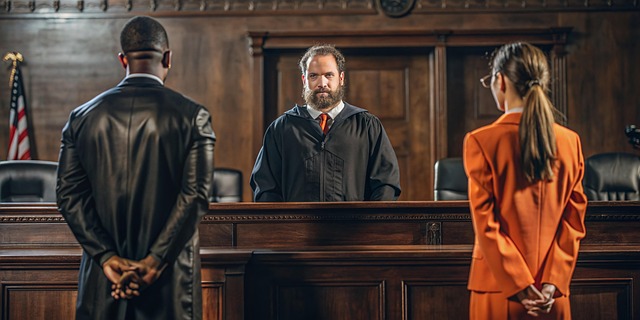
Navigating the complex juvenile justice system can be daunting for teens facing drug crime charges. A Juvenile Drug Crime Attorney Denver plays a pivotal role in guiding these young individuals through this challenging process, ensuring their rights are protected and their best interests are represented. The legal landscape surrounding juvenile offenses is intricate, requiring strategic expertise to decipher and exploit any available defenses or opportunities for diversionary measures.
A skilled Denver Theft Attorney understands the nuances of juvenile law, recognizing that each case is unique. They strategize with their clients, exploring options such as plea negotiations, diversion programs, or adjudication avoidance. For instance, depending on the circumstances, a lawyer might advocate for treatment and rehabilitation over incarceration, aligning with the goal of preventing future criminal behavior. Data suggests that early intervention and alternative sentencing can significantly reduce recidivism rates among adolescents.
During court proceedings, these attorneys meticulously present their case, challenging evidence and testimony while advocating for their client’s freedom and future prospects. They empower teens to make informed decisions, prepare them for potential outcomes, and help them understand the long-term implications of their choices. By combining legal acumen with empathy, a Juvenile Drug Crime Attorney Denver can foster positive change, guiding young people toward a brighter future, free from the constraints of a criminal record.
In addressing Juvenile Drug Crime in Denver, this article has illuminated the critical role Legal Clinics play as safe havens for at-risk teens. By understanding the complexities of the juvenile justice system and the unique needs of these young individuals, a Juvenile Drug Crime Attorney Denver can provide essential guidance and representation. Readers now possess key insights into navigating this challenging landscape, empowering them to take proactive steps in support of troubled teens facing drug-related charges. The article underscores the importance of such legal aid in fostering positive outcomes and offering a meaningful second chance to these vulnerable youth.